

Play comfortably with mineral sunscreen
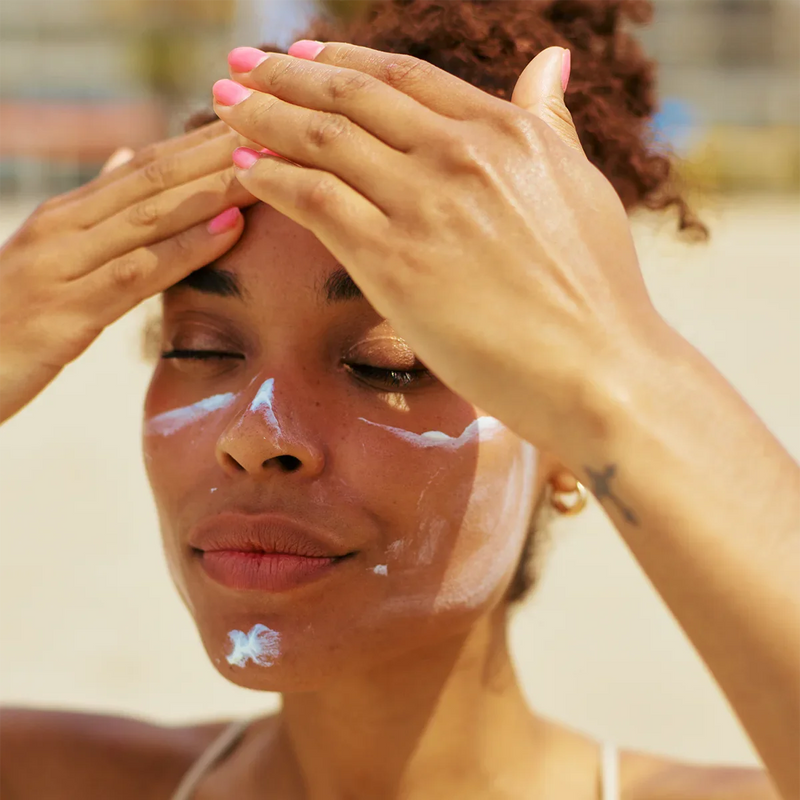
We’re all about helping you step out of the shade and live fearlessly in the sun! Our dermatologist and pediatrician trusted mineral sunscreens help deliver safe physical sun protection to you and your family. They’re even a good choice for those with sensitive skin.

Chemical vs. Mineral sunscreens
Chemical sunscreens are the most common sunscreens on the market. They work by absorbing into the deeper layers of your skin and converting UV rays into heat, which is released into the skin. Unfortunately, UV light can destroy this function of chemical sunscreens, leaving you unprotected with potential for skin irritation.
Mineral-based sunscreens use Zinc Oxide and/or Titanium Dioxide which sit on top of your skin, reflecting and scattering UV rays. These sunscreens are designed to help protect your skin by reflecting the sun’s harmful rays.

Broad spectrum protection with minerals
Dermatologists and pediatricians trust sunscreens with Zinc Oxide and Titanium Dioxide to deliver gentle, physical sun protection to you and your family. They’re great for those with sensitive skin.

What is Zinc Oxide?
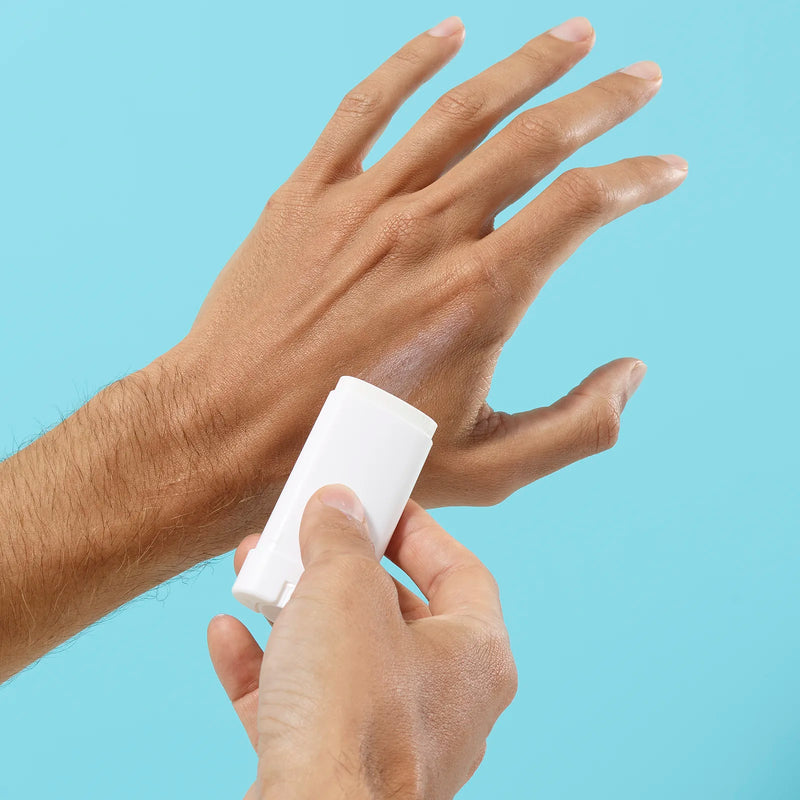
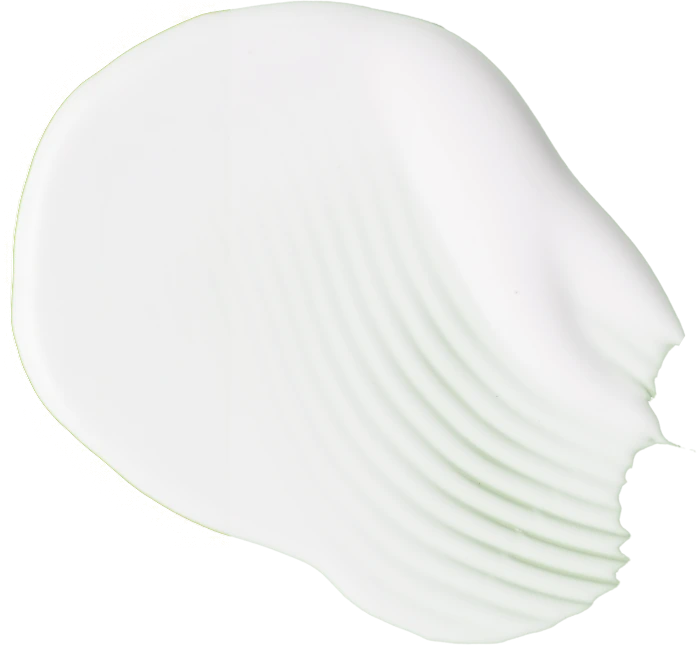
Zinc Oxide offers true broad spectrum protection from a wide range of harmful UV rays. While older Zinc Oxide-based sunscreens would leave a white cast on skin, modern formulations like Blue Lizard sunscreens rub in clear and dry smoothly on skin.
Fun fact
Zinc Oxide is a white-colored powder that may have been used medicinally as early as 500 BC. Today, it can be found in food products, bandages, medicines, sunscreens and calamine lotion.

What is Titanium Dioxide?
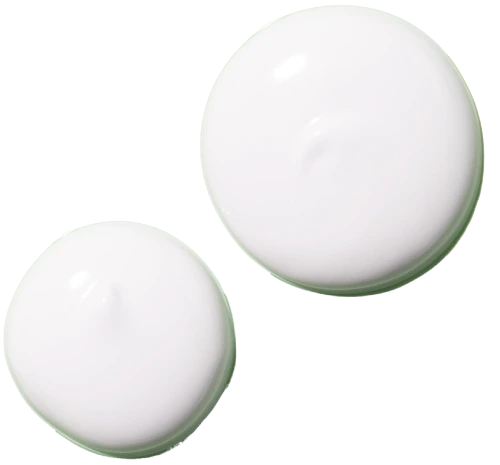
Titanium Dioxide is a characteristically bright white mineral that provides light reflection, making it the perfect mineral to pair with Zinc Oxide in protecting your skin from UV rays.
Fun fact
Titanium Dioxide is an odorless powder often used as a white pigment. In fact, titanium white is the most commonly used pigment on the market, giving medications and candy their white sheen.

Dermatologists and pediatricians recommend mineral sunscreens
Studies show that using a quality sunscreen daily can reduce the risk of skin cancer, premature aging, melasma, and dark spots.
Dermatologists say…
Choose a sunscreen with*:
SPF 30 or higher
Broad spectrum protection
Water resistance
Pediatricians say… Choose a sunscreen with**:
SPF 15 up to SPF 50
Broad spectrum protection
No Oxybenzone (a chemical sunscreen active ingredient)
For sensitive skin, choose a sunscreen with Zinc Oxide or Titanium Dioxide
Warning:
You can burn on an overcast day! Up to 80% of UV rays can penetrate clouds, and even one blistering sunburn in childhood or adolescence more than doubles the chances of developing melanoma later in life. So practice safe suncare, including sunscreen for children starting at 6 months.***
*Source: The American Academy of Dermatology Association
**Source: The American Academy of Pediatrics
***Source: The Skin Cancer Foundation
Mineral sunscreens for sensitive skin
If you have sensitive, oily or acne-prone skin, mineral sunscreens are the better choice. Zinc Oxide and Titanium Dioxide tend to be easier on the skin than chemical active ingredients, plus they’ve been shown to camouflage redness and are less likely to cause irritation.
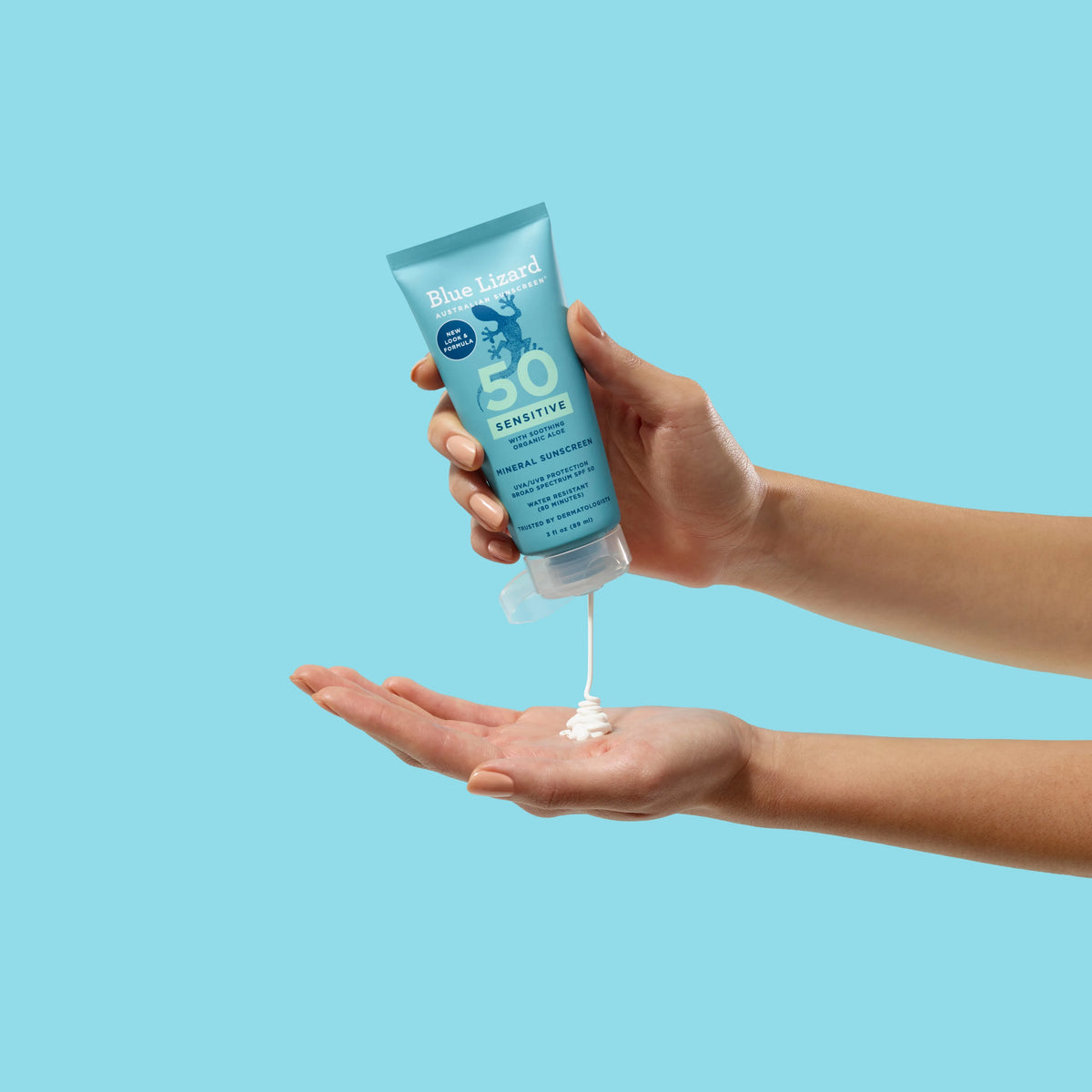
Rosacea and mineral sunscreens
The Rosacea Society recommends using sunscreens with Zinc Oxide and Titanium Dioxide, making mineral sunscreens the preferred choice for those with Rosacea.
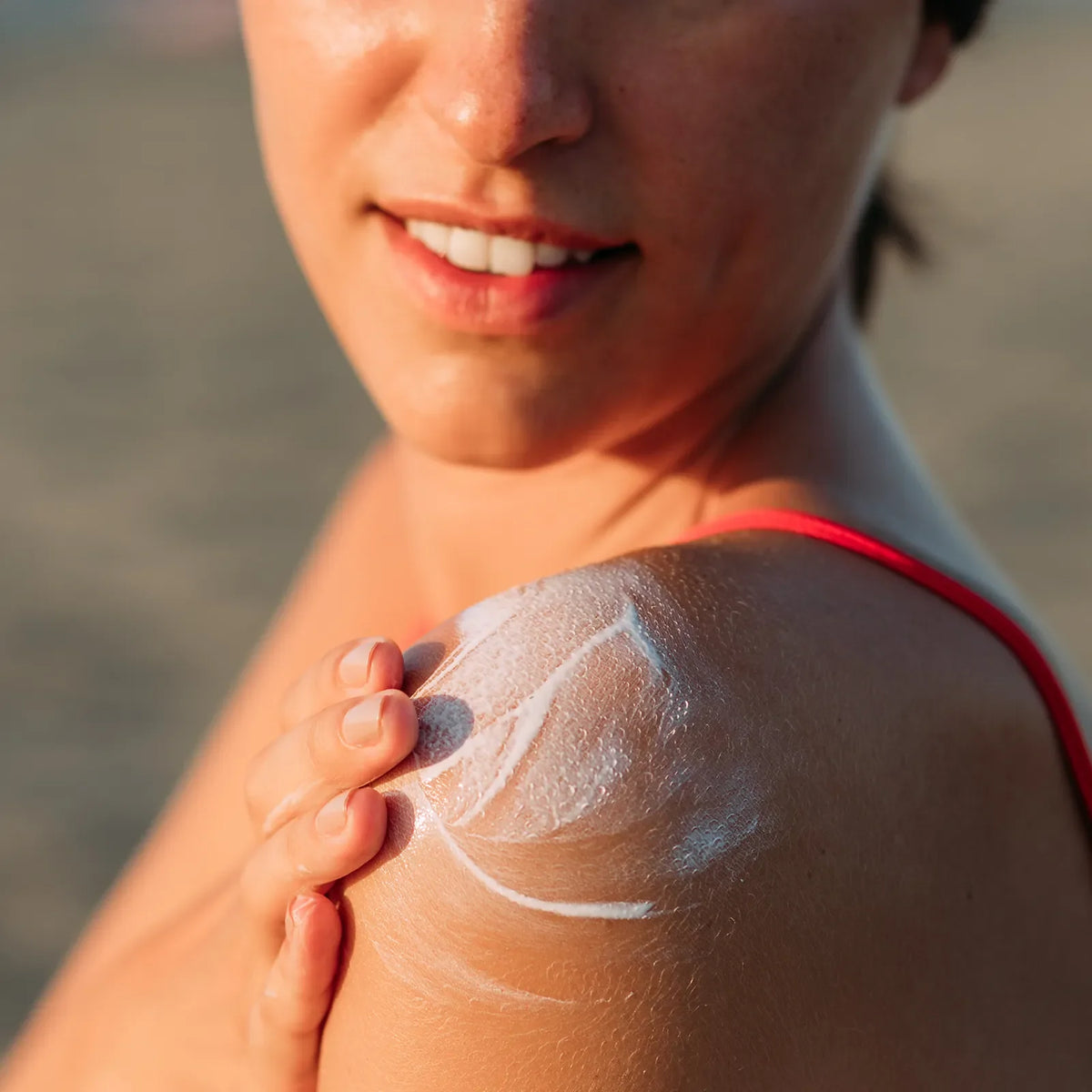
Eczema and mineral sunscreens
Eczema, or atopic dermatitis, can make finding the best sunscreen difficult. In fact, many chemical sunscreens can cause an eczema breakout. The National Eczema Association recommends mineral sunscreens because they are much less likely to cause irritation.